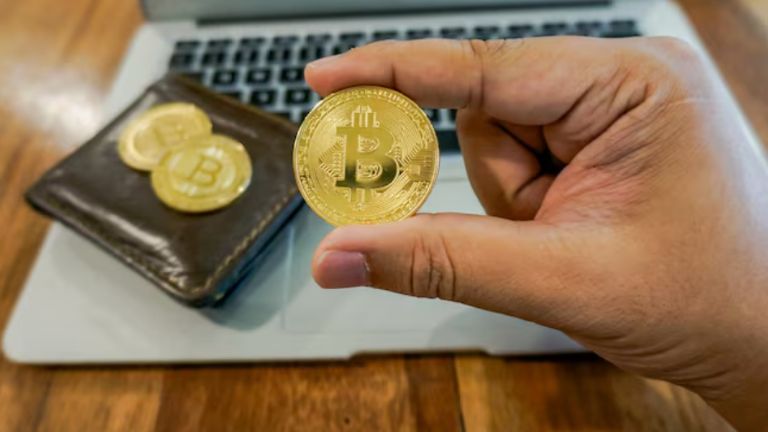
Convert Bitcoins to Naira and Tap into Nigeria’s Booming Cryptocurrency
Why people in Nigeria use Bitcoin
Nigeria has become one of Africa's main sites for trading and owning digital assets. Millions of individuals do it there. More Nigerians are learning how to safely and easily convert Bitcoin as the economy grows worse and more people need to discover other ways to handle their money.
The Bitcoin to Naira exchange rate and how to change it are important for anyone who wants to be a part of this fast-paced market. You should know how to use trusted exchange services to change Bitcoin to Naira whether you want to send money to someone else, safeguard your money from inflation, or merely look for business prospects.
Learning about Bitcoin and how much it is worth in Nigeria
Bitcoin is a digital currency that doesn't have a central bank controlling it. It keeps the value of the Naira stable for Nigerians, speeds up payments across countries, and lets people get money sent from outside without having to wait for banks to process it.
The value of BTC to NGN is based on the values of Bitcoin across the world and the way things work in the local market. When Bitcoin goes up around the world, Nigerian merchants usually see their Naira returns go up as well. But the Bitcoin to Naira exchange rate can be very different on different platforms because of changes in liquidity, demand, and how individual traders set prices in peer-to-peer markets.
Step-by-Step Guide: Conversion from BTC to Naira
Step 1: Pick a Trustworthy Exchange
The most crucial thing to do to effectively convert BTC to Naira is to pick the proper platform:
Binance, KuCoin, OKX, and Bybit are some of the best places for Bitcoin exchange in Nigeria. They all have amazing peer-to-peer (P2P) trade tools that were made for people in Nigeria.
When you consider swaps, these are the most important things to remember:
- Fair fees for transactions.
- Two-factor authentication and additional strict security measures.
- A lot of liquidity means that sales happen quickly.
- Safe P2P alternatives that keep you safe from scammers.
Step 2: Make an account and verify it
- Most trustworthy exchanges need Know Your Customer (KYC) authentication to follow the rules and keep the platform safe.
- You usually have to send in identifying documents like your National ID, foreign passport, or driver's license, as well as proof of address and sometimes a selfie verification.
- KYC may seem like a lot of work, but it keeps you and other traders safe from fraud.
Step 3 — Set Up Wallets & Security
- You need to move your Bitcoin from your personal wallet to your exchange account before you can sell it.
- Go to the deposit section of your exchange, find your Bitcoin deposit address, and copy it down carefully.
- Start a withdrawal from your personal wallet to this address.
- Before you complete a transaction, always double-check the wallet address. Bitcoin transfers can't be undone.
Step 4: Change your Bitcoin into Naira
There are two major ways for people to sell Bitcoin in Nigeria:
- When you trade directly with other individuals, you usually get better deals.
- To find deals, check out the trader's completion rate, the number of sales they've made, and reviews from other users.
- Before you decide, look at a few deals to discover the best Bitcoin to Naira exchange rate.
- Trust is built into the exchange, so once you accept a deal, your Bitcoin is safe.
- The buyer pays money to your bank account.
Step 5: Take money out of your bank account
- Your Naira balance will stay in your exchange account when the sale is over.
- To withdraw Bitcoin from your bank account in Nigeria, go to the withdrawal area, choose NGN, enter your bank information, and say how much you want to take out.
- Know how much money you can send and receive through your bank and any costs that the exchange or your bank may levy.
- Most withdrawals go through in a few minutes to a few hours.
Things You Should Avoid
- Even traders with a lot of experience make mistakes that cost them money.
- Don't rush the process of copying wallet addresses, as it can cost you to lose your money forever if a wrong addressed is given.
- Always check addresses’ one character at a time and use the QR code scan tool when you can.
- Scammers that run bogus escrow schemes or pretend to be real buyers are still a problem in P2P markets.
- Only use platforms that you know are safe and have built-in escrow protection.
Rules and Safety Concerns
- The Central Bank of Nigeria has told banks they can't help people buy and sell cryptocurrencies, but Nigerians are still allowed to trade Bitcoin.
- Cryptocurrencies must follow certain rules because the Securities and Exchange Commission sees them as stocks.
- When it comes to rules, peer-to-peer trade is very important because it lets people send money to each other without going through banks.
- You should only use trades that have been checked out and are known to follow safe practices.
- Keep good records of what you do so you don't have to look back and find them for tax or legal reasons.
Nigeria's Growing Crypto Economy
This is a market where anyone who knows how to quickly and easily change Bitcoin to Naira can trade. Here are some safe and effective steps you can take to join this financial revolution: Choosing companies you can trust, learning how the Bitcoin to Naira rate works, and following good safety rules are all important.
It doesn't matter if you want to use the Binance BTC to Naira guide or find another way to do it. Be smart about what you do, watch out when you sell, and keep learning. Buy small things first and then move on to bigger ones to get used to the process.
FAQ’s:
- Is it illegal to sell Bitcoin in Nigeria?
In Nigeria, you can trade in Bitcoin. CBN laws say that banks can't help with crypto transactions, and people can buy, trade, and keep bitcoins on P2P marketplaces.
- How can I safely get Bitcoin out and change it into Naira?
Use well-known P2P sites like Binance P2P with an escrow account. Only trade with people that have been verified and have a lot of good reviews and completed transactions.
- How long does it take for money to show up in my bank account?
After the buyer validates payment, P2P transactions take 15–30 minutes. Bank transfers typically appear within hours, depending on how long your bank takes to process transactions.
